The type of anaesthesia you have will depend on your surgery, your health, and your personal needs. Your anaesthetist will discuss the safest and most comfortable option for you, and will be with you the whole time to monitor and care for you.
General Anaesthesia
You are fully unconscious and unaware during the procedure, so you won’t see, hear, or feel anything.
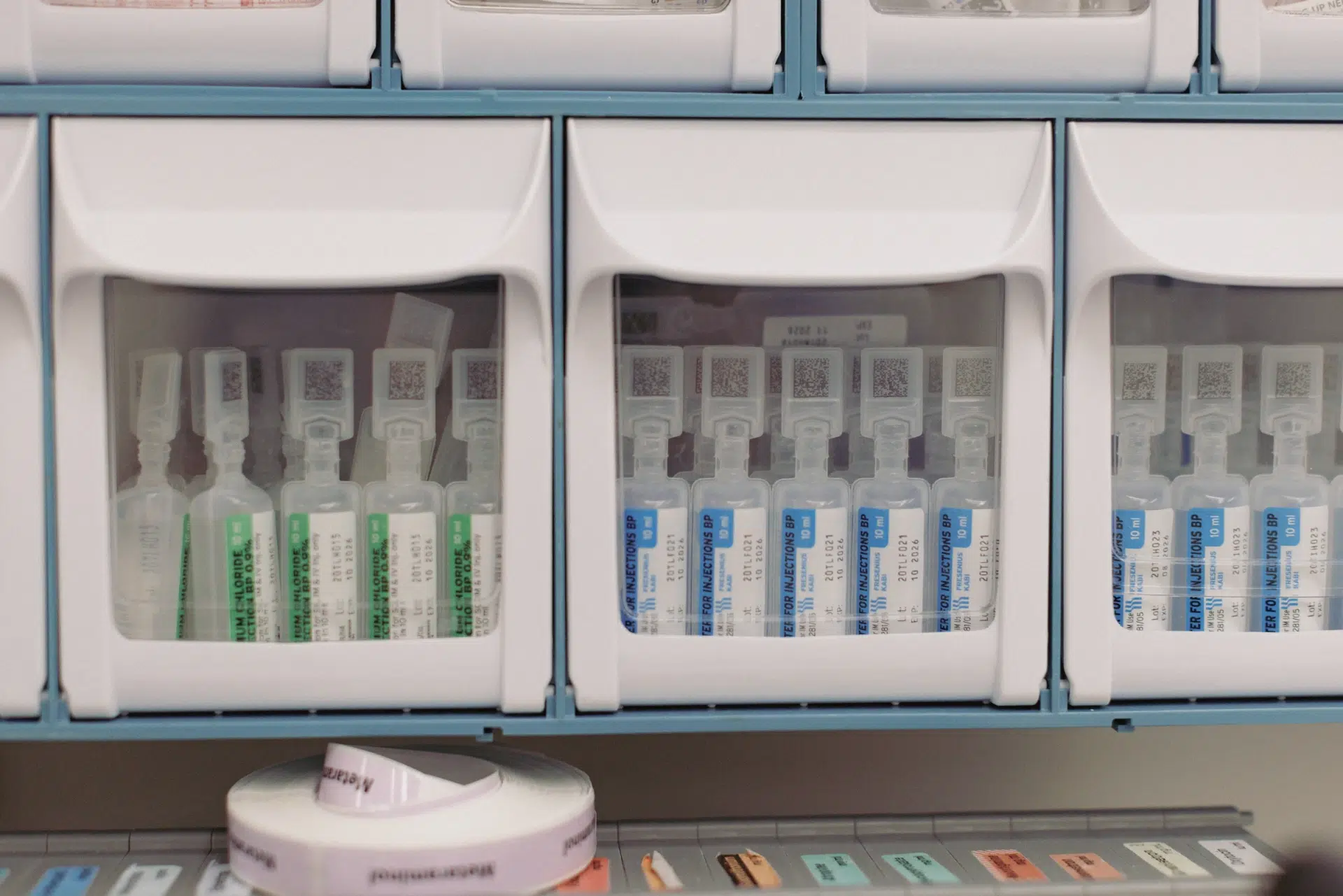
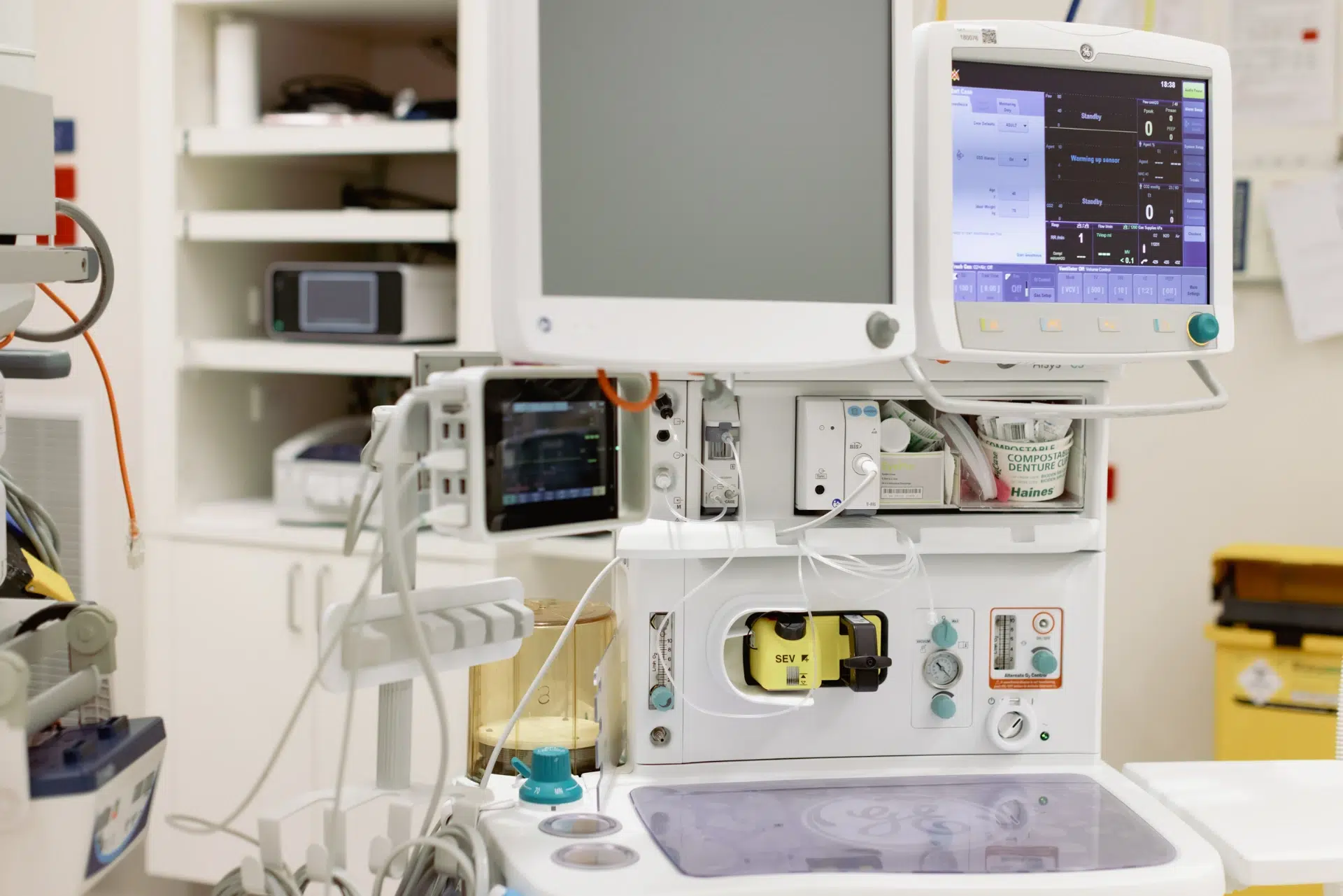
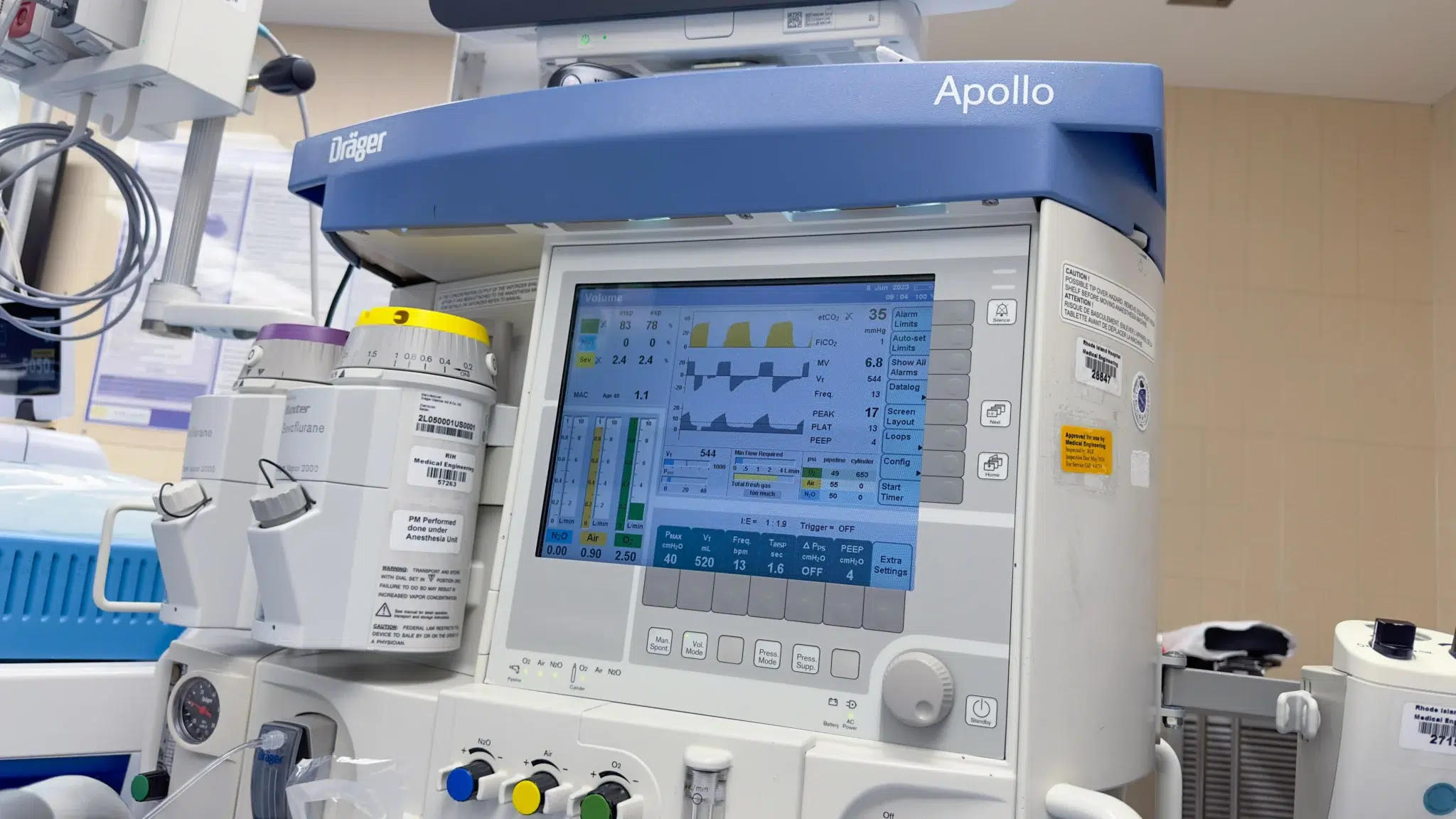
Special medicines are given through a drip and/or breathing mask, and your anaesthetist will watch your breathing, heart, and other vital signs closely.
You will wake up in the recovery area, where you will continue to be monitored until you are ready to return to the ward or go home.
Sedation (“Twilight Anaesthesia”)
You feel calm and comfortable, and may not remember much of the procedure, but you are still responsive.
Sedation is often used for procedures such as endoscopies, minor surgery, and some dental or eye procedures, sometimes with local anaesthetic for added comfort.
Regional Anaesthesia
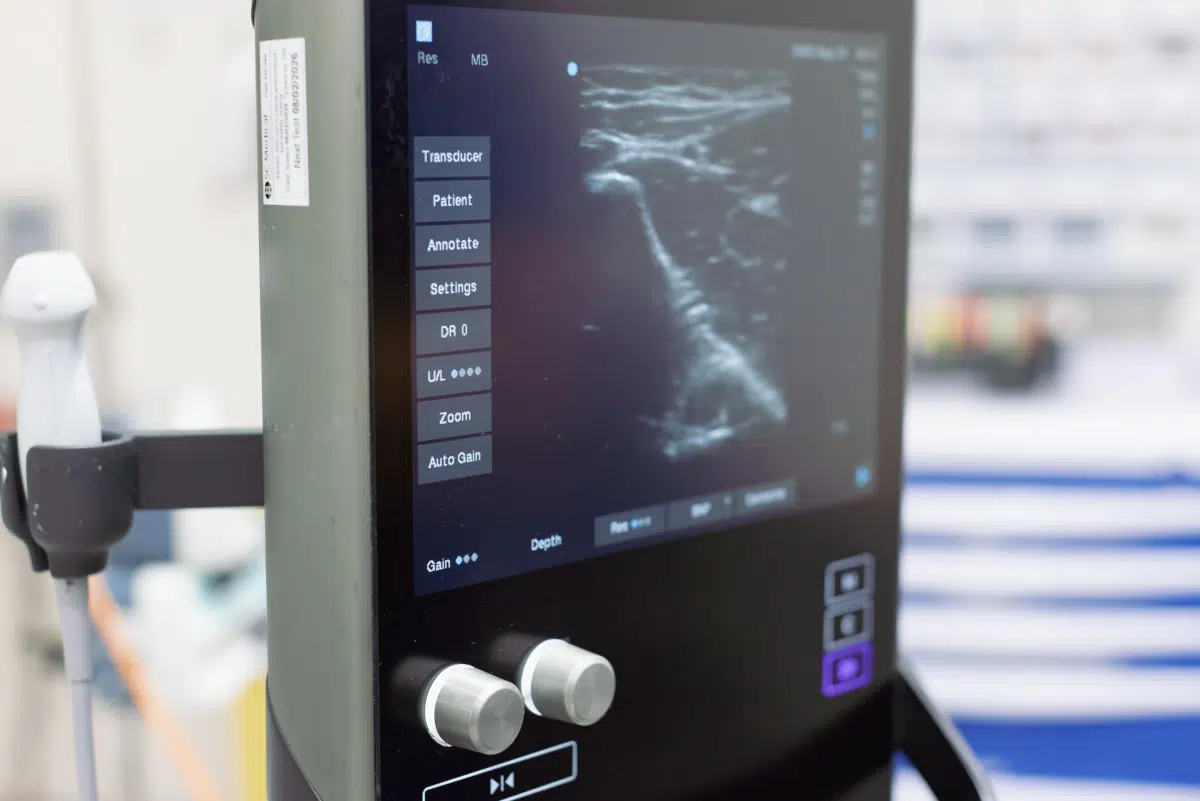
Medicine is used to numb a larger area of your body, such as the lower half (spinal or epidural) or an arm or leg (nerve block).
You remain awake, but the numbed area will not feel pain. Gentle sedation can be given if you prefer to feel more relaxed during the procedure.
Local Anaesthesia
Medicine is injected to numb a small, specific area of your body. You remain fully awake and aware, and will not feel pain in the treated area.
This is often used for minor skin, dental, or eye procedures, sometimes together with sedation